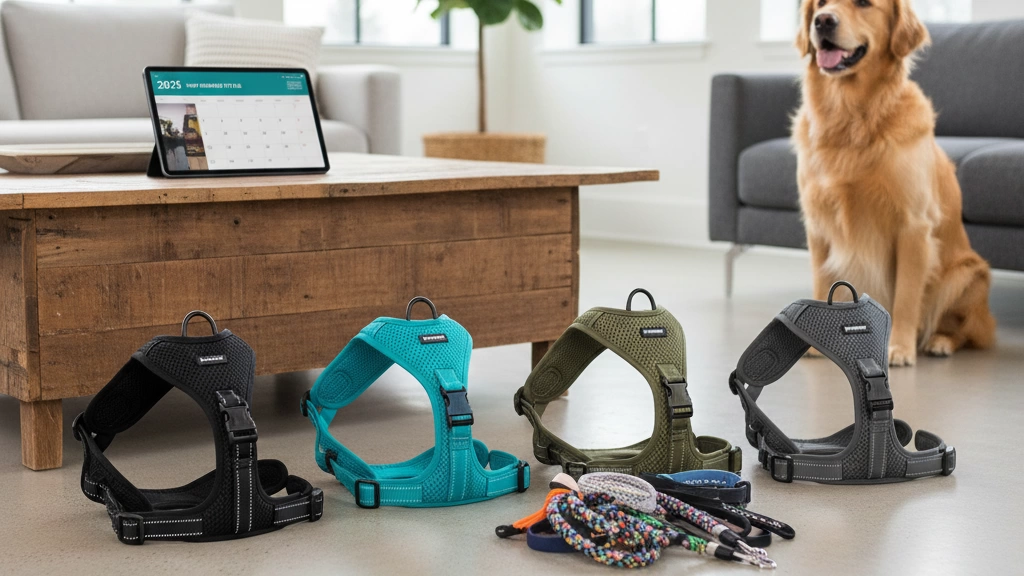
If you’re tired of being tugged down the street or wrestling your dog every time you go for a walk, a no-pull harness might just be your secret weapon in 2025. Unlike regular collars or back-clip harnesses that often make pulling worse (or worse, hurt your dog), these clever harnesses gently steer your dog’s attention back to you—without pain or discomfort. Whether you have a strong puller, a reactive pup, or just want easier control, understanding how a no-pull harness works and which models truly deliver can transform your daily walks from a struggle into pure joy. Ready to stop the pulling for good and find the best harness tailored to your dog? Let’s dive in!
How No-Pull Harnesses Work
No-pull harnesses are designed to make walking your dog easier and safer by discouraging pulling without causing discomfort or injury. Here’s a quick breakdown of how they work, focusing on different designs and safety features.
Custom No Pull Dog Harness Options for Pet Brands
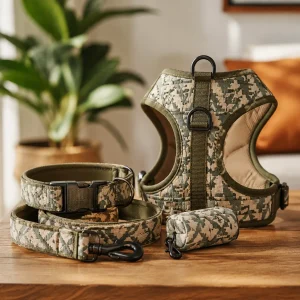
For pet brands, a no pull dog harness is not only a functional walking product, but also a practical item for private label development. Different materials, colors, logo methods and packaging options can help brands create a harness collection that matches their market position and retail price range.
Common custom options include:
- Logo options: woven label, rubber patch, heat transfer logo, metal logo or customized packaging
- Color options: available stock colors or Pantone custom colors
- Webbing options: polyester webbing, nylon webbing or reflective webbing
- Buckle options: standard plastic buckle, stronger safety buckle or branded buckle
- Hardware options: front chest D-ring, back D-ring, metal ring or reinforced attachment point
- Packaging options: hang card, belly band, polybag, retail box or private label packaging
- Size range: XS, S, M, L, XL or customized size chart
Common Materials for Custom No Pull Dog Harnesses
Material choice affects the comfort, durability, price and MOQ of a no pull dog harness. For first-time pet brand projects, choosing the right material is more important than only choosing a nice color.
Air Mesh
Air mesh is lightweight and breathable, making it suitable for daily walking harnesses and warm-weather collections.
Neoprene
Neoprene is soft and comfortable against the dog’s body. It is commonly used for padded harnesses and mid-range pet brand collections.
Oxford Fabric
Oxford fabric is stronger and more durable, suitable for outdoor, active or heavy-duty harness designs.
Reflective Material
Reflective trims, stitching or webbing can improve visibility during night walks and are useful for safety-focused pet brands.
Front-Clip vs Back-Clip Design
Front-clip harness: The leash attaches at the dog’s chest. When your dog pulls, this clipping point gently steers them to the side, redirecting their attention back toward you. It leverages the dog’s natural opposition reflex — they instinctively slow down or turn away when pressure comes from the front. Back-clip harness: The leash clips on the dog’s back. This is more common in regular harnesses and offers less control over pulling — dogs can still pull hard without much redirection. Steering Effect & Natural Opposition Reflex The front-clip harness uses the dog’s natural reflex to “turn into” pressure rather than pulling against it. This creates a steering effect that guides your dog to walk beside you instead of forward pulling, making walks more enjoyable and controllable. Martingale Loop Systems Some no-pull harnesses add a martingale loop — a tightening mechanism that gently snuggles the harness around the chest or neck without choking. This helps prevent escape while discouraging pulling by applying just enough pressure to get your dog’s attention without pain. Safer Than Choke or Prong Collars Unlike choke chains or prong collars, no-pull harnesses don’t cause pain, throat injury, or restrict breathing. They distribute pressure evenly across the body, reducing risk of injury to your dog’s neck, spine, or windpipe. This makes them a safer, more humane tool for managing leash pulling.
Takeaway:
Front-clip no-pull harnesses use smart design to redirect pulling through steering and gentle pressure, while martingale loops add secure fit without discomfort. Safer and kinder than choke or prong collars, they give you better control and your dog a more comfortable walk.
No-Pull Harness vs Regular Harness vs Collar – Side-by-Side Comparison
Here’s a quick look at how no-pull harnesses stack up against regular harnesses and collars in key areas like control, comfort, safety, escape risk, and training speed.
·
Feature | No-Pull Harness | Regular Harness | Collar |
Pulling Control | Excellent – redirects and discourages pulling | Moderate – less control on pulling | Poor – can increase pulling risk |
Comfort | High – padded and distributes pressure | Moderate – no front control, can rub | Low – pressure on neck, can choke |
Safety | High – no choking, less injury risk | Moderate – safer than collar but less control | Low – risk of neck injury and choking |
Escape Risk | Low to moderate – some models escape-proof | Moderate – some slip out | High – dogs can slip collars easily |
Training Speed | Faster – helps enforce leash manners | Slower – less effective correction | Slow – relies on corrections, can stress dog |
The no-pull harness is clearly designed for better control and safety, especially for strong pullers and escape-prone dogs. It’s a great upgrade if you want faster and more comfortable training.
For details on fitting and harness design, check out our guide on how to fit a dog harness correctly.
Types of No-Pull Harnesses Available in 2025
No-pull harnesses come in several styles to suit different dogs and training needs. Here’s a quick look at the main types you’ll find this year:
Front-Clip Only Harnesses
These have a leash attachment at the chest, promoting better steering and reducing pulling by redirecting your dog’s forward motion. They’re simple, effective, and generally less restrictive. Great for most dogs starting training.
Dual-Clip Harnesses (Front + Back)
Offering both front and back leash attachments, these harnesses give you the option to switch between control styles. Use the back clip for casual walks, and the front clip when your dog gets too excited or pulls too hard. Very versatile for different walks and training phases.
Tightening/Martingale Style Harnesses
Inspired by martingale collars, these harnesses tighten slightly when your dog pulls, applying gentle pressure to discourage pulling without choking. This style offers more control and can be safer for strong, persistent pullers. It’s like a no-pull harness combined with mild correction.
Head Halters vs. Body Harnesses
Head Halters control the dog’s head, steering them more directly but may take some getting used to. They’re effective for strong or reactive dogs but require patient training.
Body Harnesses focus on the chest and shoulders to manage pulling, offering comfort and fewer worries about jaw pressure. They’re better for dogs that resist head halters or have respiratory issues.
Choosing the right type depends on your dog’s pulling habits, comfort, and your training goals. For a full selection of innovative no-pull harnesses tested in 2025, you can check out the latest minardipet no-pull harness collection.
Top 10 Best No-Pull Dog Harnesses of 2025 (Tested & Ranked)
Here’s our rundown of the top no-pull harnesses you can buy in 2025, tested for comfort, control, and durability. We cover everything—brands, pricing, sizes, key features, and who each harness suits best.
Brand & Model | Price Range | Sizes Available | Key Features | Best For | Pros | Cons | Star Rating | Verdict |
Minardipet No-Pull Harness | $35-45 | XS to XL | Padded, reflective strips, handle | Most dogs, strong pullers | Durable, secure fit, great value | Slightly tricky to put on | ★★★★★ | Best overall no-pull harness |
Easy Walk Harness | $30-40 | Small to large | Front-clip, simple design | Light pullers, beginners | Affordable, easy use | Not great for escape artists | ★★★★☆ | Great for casual walkers |
Freedom No-Pull Harness | $50-65 | XS to XXL | Dual-clip, breathable mesh | Strong pullers, active dogs | Comfortable, versatile | Pricier than average | ★★★★☆ | Best for active, strong dogs |
Ruffwear Front Range | $75-90 | XS to XL | Padded chest, back handle | Mid-size dogs, outdoors | High-quality material | Expensive | ★★★★☆ | Premium choice for active dogs |
PetSafe Easy Walk | $25-35 | Small to large | Martingale loop front-clip | Training new walkers | Simple, effective | Limited sizes | ★★★☆☆ | Budget-friendly training tool |
4Knines Stay-Put Harness | $45-60 | XS to XXL | Dual-clip, heavy padding | Escape-prone dogs | Escape-proof, very secure | Bulky feel | ★★★★☆ | Best for dogs who slip out |
Kurgo Tru-Fit Smart | $40-55 | XS to XL | Padded, handle, reflective | Everyday walks, travel | Durable, versatile | Fit runs small | ★★★★☆ | Reliable all-rounder |
PetSafe Gentle Leader | $25-30 | Small to large | Head halter design | Strong pullers, reactive dogs | Excellent control | Takes time to get used to | ★★★★☆ | Best for highly reactive dogs |
Blue-9 Balance Harness | $45-55 | XXS to XL | Adjustable straps, padded | Training & walking | Comfortable, fits well | Higher price tag | ★★★★☆ | Great for training |
Rabbitgoo No-Pull Harness | $30-40 | XS to XL | Padded, reflective, dual-clip | Small to medium dogs | Budget-friendly, escape-proof | Limited colors | ★★★★☆ | Best budget option |
Each harness on this list reflects the latest designs and tech in no-pull control. Whether you have a small pup or a robust puller, there’s an option here to match your dog’s needs. For more info on collars and harnesses, check out our detailed guide on the best nylon dog collars of 2025, which pairs well with these no-pull options.
Spotlight Review: Why minardipet No-Pull Harness Is Our #1 Pick for Most Dogs
The minardipet No-Pull Harness stands out as our top choice for most dogs thanks to its thoughtful design and reliable performance. This harness features a sturdy front-clip that gives you excellent control without causing discomfort or choking. It also comes with adjustable straps that ensure a snug yet comfortable fit, minimizing the escape risk even for clever, escape-prone pups.
Built from high-quality, breathable materials, the minardipet harness passed durability tests with flying colors—no fraying or weakening after weeks of active use. The padding around the chest and belly adds extra comfort, making it an ideal pick for dogs that wear their harnesses for longer walks or daily outings.
To help you get the perfect fit, minardipet offers a clear fitting video that walks you through each adjustment step, reducing common fitting mistakes that can affect effectiveness. Plus, actual customers reported improved walking behavior during our 60-day feedback period, noting less pulling, fewer leash tugs, and a calmer walking experience overall.
If you’re looking for a no-pull harness that balances quality, comfort, and control, the minardipet No-Pull Harness is definitely worth considering. Its solid construction and user-friendly features make it a smart choice for dog owners aiming for peaceful, enjoyable walks with their furry friends.
How to Choose the Perfect No-Pull Harness for YOUR Dog
Picking the right no-pull harness depends a lot on your dog’s breed, size, and pulling habits. Here’s a quick guide to help you decide:
Factor | What to Consider | Recommendation |
Breed & Size | Big dogs (Labrador, Husky) need stronger, durable harnesses. Small breeds (Frenchie, Chihuahua) prefer lightweight, padded options. | Choose a padded no-pull harness or one with reinforced straps for large dogs. Smaller dogs benefit from soft, breathable models. |
Pulling Strength | Strong pullers require front-clip or dual-clip harnesses for better control. Occasional pullers do well with basic front-clip models. | For heavy pullers, a dual-clip harness with martingale loop is ideal. Light pullers can use simpler front-clip harnesses. |
Escape Risk | Dogs known to slip out of collars or harnesses need escape-proof designs. | Look for harnesses with extra buckles, secure straps, and minimal slack, like the escape-proof no-pull harness. |
Budget Range | Premium harnesses have more padding, reflective gear, and durability. Budget options offer basic control but may wear faster. | Decide if your dog needs long-term investment or an affordable option. MinardiPet offers both at various price points. |
Quick 5-Question Quiz to Find Your Best Fit
1. Is your dog a heavy puller? (Yes/No)
2. What size is your dog? (Small/Medium/Large)
3. Does your dog try to escape harnesses/collars? (Often/Sometimes/Never)
4. What’s your budget? (Low/Medium/High)
5. Do you prefer extra features like reflective strips or handles? (Yes/No)
If you answered:
1. Mostly “Yes” to 1 & 3 → Choose a durable, escape-proof harness with dual clips
2. Small size + occasional pull → Lightweight padded front-clip harness works well.
3. Budget low → Basic no-pull harnesses still help control pulling effectively.
4. Want extras → Look for premium options with reflective panels or grips like this model.
5. Matching the harness to your dog’s specific needs makes walks safer and more enjoyable for both of you.
6. For a wide selection of top-rated no-pull harnesses that fit all dog types, check out MinardiPet’s collection.
How to Properly Fit a No-Pull Harness (Step-by-Step)
Getting the right fit for your no-pull harness is key to its effectiveness and your dog’s comfort. Here’s how to do it right every time:
Follow the “Two-Finger” Rule
When adjusting the harness straps, make sure you can fit two fingers comfortably between the harness and your dog’s body. Too tight, and it can cause chafing or restrict movement; too loose, and your dog might slip out.
Key Adjustment Points to Check
1. Neck strap: Should sit high, just below the base of the neck, not pressing on the throat.
2. Chest strap: Should lie across the chest where it spreads pressure evenly.
3. Belly straps: Should secure snugly around the ribcage without squeezing
Common Fitting Mistakes to Avoid
1. Too loose: The harness can shift or be ineffective at stopping pulling.
2. Too tight around the throat: May cause discomfort or breathing issues.
3. Incorrect clip positioning: Front-clip harnesses must be centered on the chest to work properly.
4. Ignoring harness type: For example, martingale loop styles need careful fitting to tighten correctly without choking.
Proper adjustment makes a big difference in training success and keeps your dog safe and comfy. For detailed fitting guides and visual help, check out our padded no-pull harness collection, which includes video tutorials.
Training Tips: Get Faster Results With Your New No-Pull Harness
Getting your dog used to a no-pull harness quickly helps both of you enjoy walks more. Here’s a simple 7-day plan to get started:
First 7-Day Transition Plan
lDay 1-2: Let your dog wear the harness indoors for short periods to get comfortable.
lDay 3-4: Take short, calm walks around the yard or quiet street, using treats as positive reinforcement.
lDay 5-7: Gradually increase walk time and introduce more distractions, keeping sessions positive.
Treat-Lure Method
Use your dog’s favorite treats to guide them beside you. Reward calm walking with a treat right by your side to encourage loose-leash behavior.
Stop-and-Go & 180 Turns
lStop-and-Go: If your dog starts to pull, stop walking instantly. Only move forward again once the leash is slack.
l180 Turns: When pulling begins, quickly change direction and walk the other way. This teaches your dog to pay attention to you.
When to Use Treats vs Corrections
lTreats: Use treats during the first few weeks to build good habits and make walks enjoyable.
lCorrections: Gentle corrections (like a quick stop or verbal “no”) help reinforce boundaries but keep them calm and consistent.
Combine With Loose-Leash Walking Training
The no-pull harness works best paired with basic loose-leash training exercises. Practice teaching your dog to stay close without tension on the leash during every walk for lasting results.
For more on harness options that suit different training needs, check out our detailed no-pull harness selection.
Final Verdict – Ready to Walk in Peace?
After testing and reviewing a wide range of no-pull harnesses, our top 3 picks for 2025 offer the best mix of control, comfort, and safety for your dog:
Minardipets No-Pull Harness – Our #1 choice for most dogs, thanks to its durable material, thoughtful design, and excellent fit options. It works well for everything from small pups to strong pullers and escape artists.
Freedom No-Pull Harness – Perfect if you want a simple, front-clip harness with solid steering control and padding, ideal for casual daily walks.
Martingale Clip Harness – Best for dogs who need a bit more gentle correction without choke collars, combining tightening features with comfort.
Ready to walk your dog without the tug-of-war and stress? Minardipet readers get an exclusive discount — just use code MINAR2025 at checkout to save on your next purchase.
FAQ About Custom No Pull Dog Harnesses
Can I customize a no pull dog harness with my own logo?
Yes. We support woven labels, rubber patches, heat transfer logos, metal logos and private label packaging.
What is the MOQ for custom no pull dog harnesses?
MOQ depends on material, color, logo method, packaging and size range. For first orders, we can suggest more flexible options based on your quantity and target price.
Can I make matching collars and leashes?
Yes. We can develop matching collars, leashes, poop bag holders and other walking accessories to create a complete collection.
How long does sample development take?
Sample time is usually around 7–12 days depending on the material, logo method and design complexity.
Can you help choose suitable materials?
Yes. We can suggest materials based on your target market, price range, product positioning and expected order quantity.
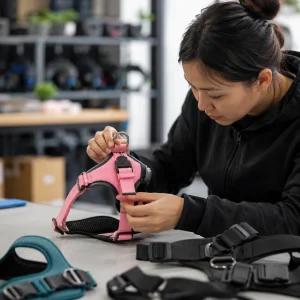
Looking to develop a custom no pull dog harness for your pet brand? Minardi Pets can help with material selection, logo placement, size range, packaging and sample development. Contact us to discuss your custom dog harness project.