Dog slip leads safty series -part 3 of 3
If you’re worried about dog slip lead safety, the good news is you don’t need one to get a well behaved dog on walks. I always design training plans around humane dog leash options first, then add tools only if we truly need them.
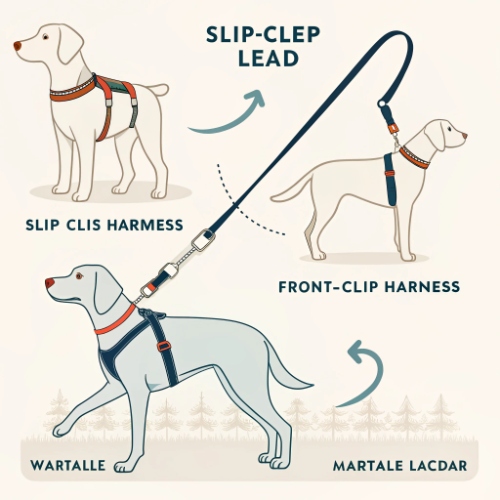
Loose leash walking is simply: your dog moves with you, the leash hangs in a soft “J”, and there’s no constant tension.
Basic setup (no slip lead needed):
· Use a front clip no pull harness or flat collar for low pull dogs
· Choose a standard 1.2–1.8 m (4–6 ft) leash
· Have high value treats ready (chicken, cheese, soft training treats)
Step by step:
Reward at your side:
lPick a “reinforcement zone” (usually your left or right leg).
lEvery few steps your dog is near that zone with a loose leash, mark (with “yes” or a click) and reward by your leg.
Pay for position, not for sitting
lNo need to ask for a sit every time.
lYou’re paying for walking nicely, not obedience drills.
Use stop and go instead of yanking
lIf the leash gets tight: stop, wait for slack, then move again and reward when they re join you.
lNo popping, jerking, or neck pressure.
Train in low distraction areas first
lStart at home, garden, or quiet streets.
lSlowly level up to busier areas as your dog succeeds.
Pulling works because it gets dogs where they want to go faster. We flip that:
lPulling = no progress
lTight leash? You stop.
lLoose leash = access
lLeash slack? You walk toward the interesting thing (tree, lamppost, smell) as the reward.
Power tips:
· Use real life rewards: sniffing, greeting people, crossing the road.
· Pay more in hard moments: dogs, squirrels, kids, busy streets.
· Keep treats tiny but frequent so training feels like a game, not a chore.
If you want gear ideas beyond slip leads, you can scan options in guides like the best dog leads in the UK and how to use them safely and match tools to your dog’s pulling style.
You don’t have to quit cold turkey. Shift gradually so your dog stays safe and confident.
1. Pair the slip lead with safer tools
· Add a front clip harness and clip your leash to that.
· Keep the slip lead loose and used only as a backup (not for pressure).
2. Reduce dependence step by step
· Phase 1: Use slip lead + harness but guide from the harness only.
· Phase 2: Have the slip lead on as a backup but don’t attach the leash to it.
· Phase 3: Remove the slip lead completely once your dog walks well on the harness.
3. Change the habit, not just the equipment
· Every time your dog pulls, apply the same rules:
· Stop, wait for slack, then reward for coming back.
· Mark and reward heavily for calm walking.
If you like product roundups, lists like the top dog leads for 2026 and their safest uses can help you pick a no pull dog leash that fits your dog’s size and lifestyle.
Bring in a qualified, force free trainer if:
· Your dog’s pulling is so strong it feels unsafe.
· You see leash reactivity: barking, lunging, spinning on walks.
· Your dog has health issues (brachycephalic breeds, neck/back problems, tracheal concerns).
· You feel stressed, frustrated, or stuck.
Look for trainers who:
· Use positive reinforcement and avoid pain, fear, or intimidation.
· Understand dog slip lead safety and can suggest slip lead alternatives like harnesses, martingale collars, or head halters (used gently).
· Are happy to explain why they choose each tool for your dog, not just “because it works”.
The goal is simple: a dog who can walk on a loose leash, with no reliance on slip leads, choke chains, or harsh tools—and walks that feel safe and enjoyable for both of you.
Most vets and modern, force-free trainers agree on a few key points about dog slip lead safety:
· Slip leads are not ideal for everyday walks for most pet dogs, because they tighten directly on the neck and can increase dog neck pressure from leash tension.
· Many experts consider them higher risk than a flat collar, martingale, or harness, especially for dogs that pull, lunge, or have existing health issues (trachea, spine, eyes, neck).
· Vets often see slip leash injuries linked to harsh corrections or constant pressure: coughing, gagging, neck pain, and in fragile dogs, possible tracheal damage.
· Ethical trainers lean toward positive reinforcement leash training with no-pull dog leash setups like front-clip harnesses instead of relying on slip leads for control.
In short: most professionals say slip leads can be safe only when used short-term, gently, and on suitable dogs—not as a go-to tool for daily walking.
Even with known slip lead risks, vets and trainers sometimes still use them—very intentionally:
· At clinics and shelters: for quick, fast on/off handling where dogs don’t have fitted gear. In these environments, a simple slip lead is easy to disinfect and store, similar to how a basic standard dog leash is kept on hand for general use.
· For short transfers: moving a dog from car to building, or between rooms—very short duration, low tension.
· Emergency situations: catching a loose or fearful dog when there’s no time to adjust a collar or harness.
· Specific training setups: some skilled trainers may use a loose, high-positioned slip lead for brief control in controlled environments, while heavily managing leash pressure and rewarding calm behavior.
The key: professionals use slip leads as temporary management tools, not as a fix for pulling. The focus is still on dog training lead safety and teaching loose leash walking with rewards.
If you’re unsure whether a slip lead is safe for your dog, ask your vet or trainer direct, specific questions:
“Is a slip lead safe for my dog’s breed, age, and health?”
Mention if your dog is small, a brachycephalic breed, a strong puller, or has any neck/throat issues.
“What do you recommend: slip lead vs harness vs martingale?”
Ask them to compare slip lead vs harness and martingale vs slip lead for your specific dog and walking habits.
“Can you show me proper slip lead fitting?”
Ask them to demonstrate proper slip lead fitting, how loose it should sit, and how to prevent choking or over-tightening.
What humane dog leash options do you recommend?”
Request suggestions for humane dog leash options, like anti-pull harness recommendations or a safe choke chain alternative.
“How do I know if my dog is in pain or stressed on this leash?”
Get them to explain signs of discomfort: coughing, gagging, head tossing, avoiding the leash, or increased leash reactivity.
A good vet or trainer will:
· Explain the slip lead risks clearly.
· Offer safer alternatives if your dog is high-risk.
· Support positive reinforcement leash training rather than relying on constant pressure tools.
They can be, depending on how they’re used. A slip lead is basically a built in choke: if the dog pulls and the handler doesn’t release pressure, the lead tightens on the neck. That can cause pain, stress, and fear.
Used very short-term, kept loose, and with a stopper to prevent over tightening, most vets and force free trainers consider them acceptable for handling, but not ideal for daily walks. If you’re relying on neck pressure to “correct” your dog, that’s not humane and it will backfire behavior wise.
Yes, especially in high risk dogs. Constant or sharp pressure on the neck can contribute to:
· Tracheal irritation or collapse (common in small breeds)
· Throat and soft tissue damage
· Thyroid area irritation
· Neck and spine strain, sometimes even eye issues from increased pressure
If your dog coughs, gags, wheezes, or avoids the leash, stop using the slip lead and talk to your vet. Switching to a flat collar or harness made from soft, good quality nylon (like the ones in our nylon dog collar guide) is usually safer.
Generally, no. Puppies and small dogs have delicate necks and tiny airways. They’re much more vulnerable to:
· Tracheal damage
· Neck strain
· Fear around leashes and handling
For these dogs, I recommend:
· A lightweight Y front harness for walks
· A soft, properly fitted flat collar for ID only (you can see sizing and material tips in our dog collar overview)
Reserve slip leads only for emergency handling, and keep them very loose.
Depends on your dog and how they walk:
· Strong puller: front clip no pull harness
· Sensitive neck / small breed / brachycephalic (pug, Frenchie): well fitted harness only
· Generally calm walker: flat collar with a regular leash
· Flight risk dog: martingale collar (for necks only slightly narrower than head), still used gently
In most cases, a front clip harness is the safest and most humane alternative to a slip lead for everyday walks.
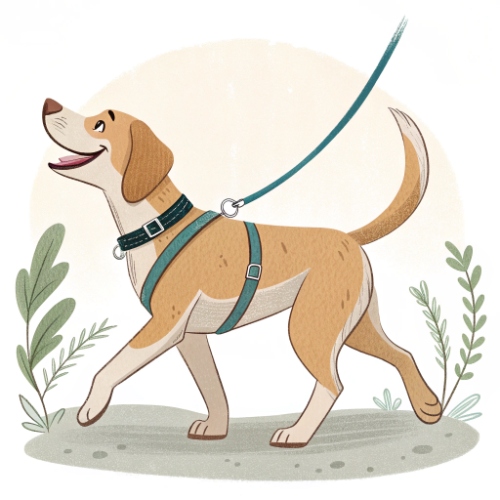
If you must use a slip lead, check these points:
· Loop position: high on the neck, behind the ears, not low on the throat
· Two-finger rule: you can slide 2 fingers easily between lead and neck when the dog is standing relaxed
· Stopper: there’s a stopper to stop the loop tightening endlessly
· Side & slide: the ring should slide and release quickly when the leash goes slack
· Dog’s body language: no coughing, gagging, licking lips, yawning, head throwing, or trying to paw it off
If the lead doesn’t loosen instantly when your dog stops pulling, or if you’re seeing any stress signs, the setup isn’t safe—swap to a harness or flat collar and focus on positive reinforcement leash training instead.

 Amy
Amy Amy Wang