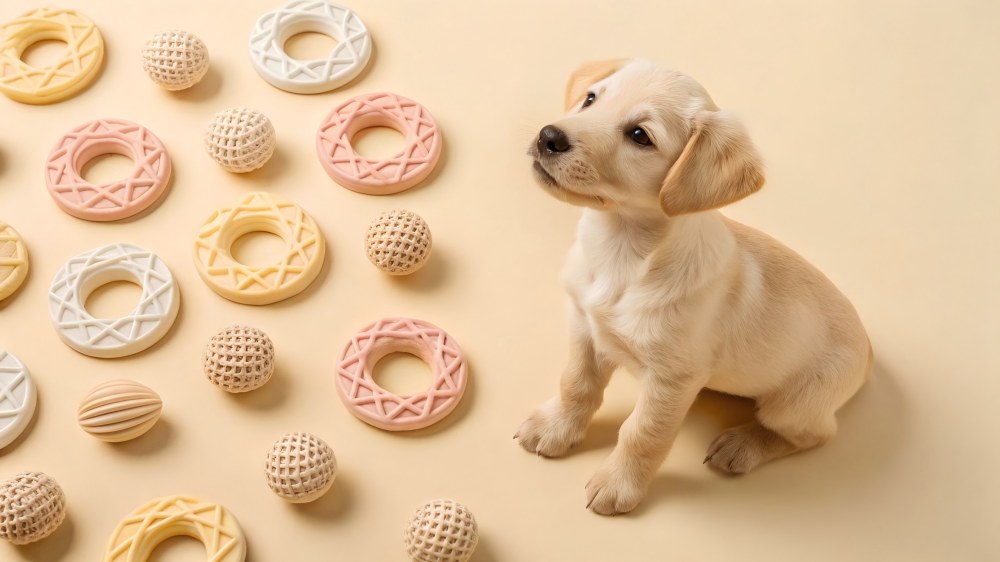
 Understanding Puppy Teething – Why Chew Toys Are Non-Negotiable
If your sweet little fluffball suddenly turned into a tiny land shark, you’re not alone. Teething is a real phase, not “bad behavior,” and the right chew toys for teething puppies are absolutely non negotiable if you want a safe, sane home.
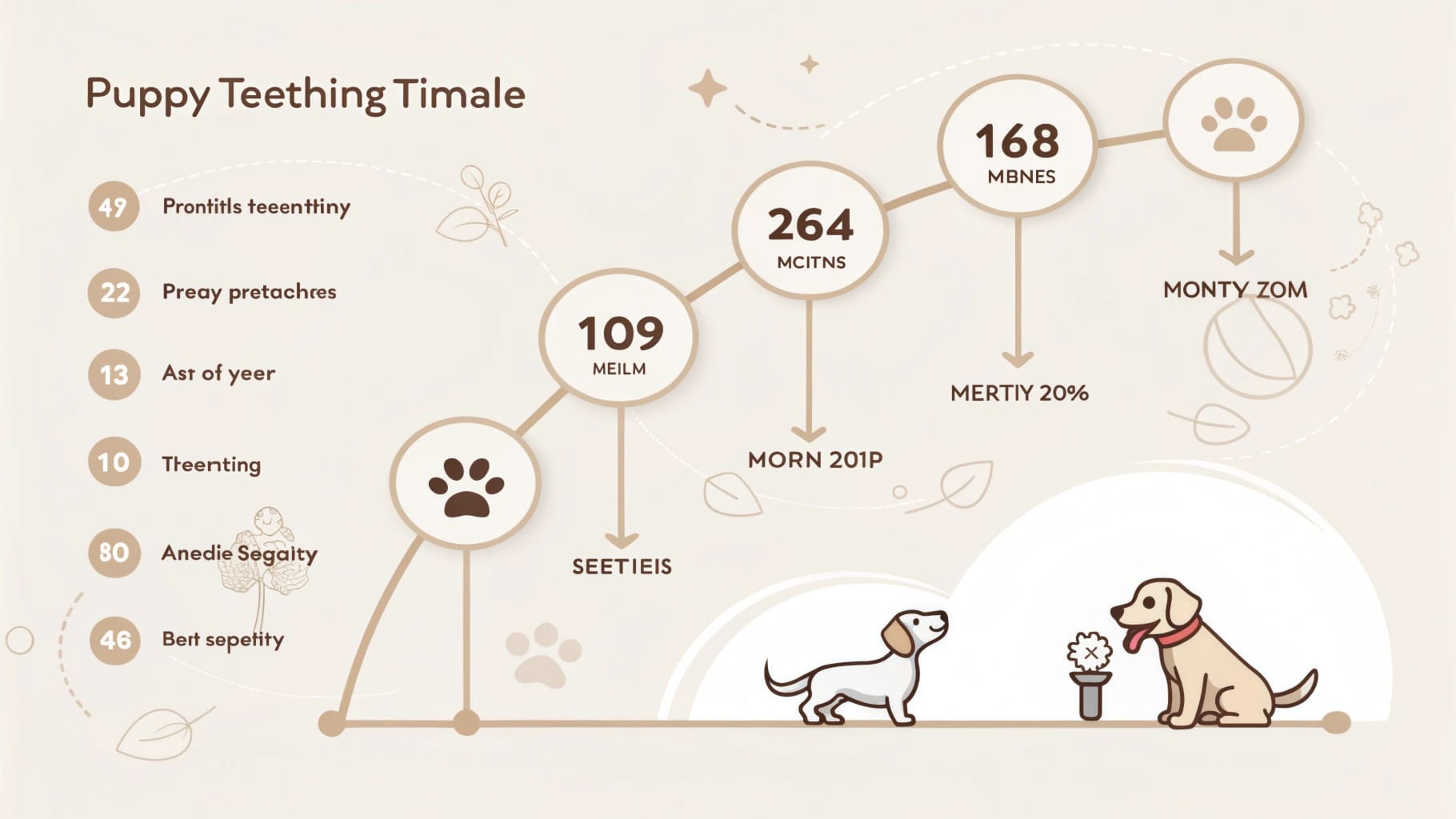
Most puppies follow a similar teething timeline:
· 2–4 weeks: Baby (deciduous) teeth start to come in.
· 6–8 weeks: Full set of sharp baby teeth (about 28 teeth).
· 12–16 weeks: Baby teeth begin to fall out; adult teeth start pushing through.
· 4–6 months: Intense teething; lots of chewing and sore gums.
· 6–7 months: Most puppies have their full adult set (about 42 teeth).
· Up to 8 months: Jaw and teeth are still settling; chewing stays strong.
During this time, your puppy isn’t “being naughty” – their mouth is literally changing every week.
You’ll usually notice:
· Increased chewing on everything (hands, clothes, furniture).
· Drooling more than usual.
· Whining or fussing when eating or chewing.
· Bloody spots on toys, blankets, or bedding (usually from baby teeth coming out).
· Visible loose or tiny teeth on the floor or stuck in toys.
· Pawing at the mouth or avoiding very hard food.
These are normal – but they’re also your cue that you need safe puppy teething toys that actually work.
Teething hurts because:
· New teeth are pushing through sensitive gum tissue.
· The jaw is growing and reshaping, which creates pressure.
· Baby teeth can wiggle, crack, or hang by a thread before falling out.
Chewing is your puppy’s pain relief. The right chew toys:
· Massage sore gums with gentle textures and ridges.
· Help relieve pressure from erupting teeth.
· Encourage healthy chewing patterns instead of destructive ones.
· Support better dental health as adult teeth come in.
That’s why soft vs hard chew toys for puppies actually matters: too hard can hurt or chip teeth, too soft can shred and be swallowed.
Letting your puppy chew on random stuff “just for now” backfires fast. Common targets:
· Shoes and slippers
· Table legs and wooden furniture
· Kids’ toys and plushies
· Electric cables and chargers
· Socks, towels, and clothing
The problem? Your puppy can’t tell the difference between “this old shoe is OK” and “my brand new sneakers are not.” You’re accidentally teaching them that everything is fair game.
Beyond the annoyance and damage, there are real health dangers:
· Choking hazards: Small pieces from plastic, wood, fabric, or broken toys can lodge in the throat.
· Broken teeth: Chewing rocks, cooked bones, metal, or ultra hard “indestructible” items can crack fragile puppy teeth, leading to expensive dental work.
· Intestinal blockages: Swallowed bits of socks, rope, stuffing, or hard plastic can block the gut – often requiring emergency surgery.
· Electrical burns: Chewing cables can cause serious burns or electrocution.
This is exactly why safe chew toys for puppies, made from non toxic, puppy appropriate materials, aren’t a luxury – they’re basic safety gear for your growing dog.
When you offer durable puppy chew toys that are designed for teething and remove unsafe objects, you protect:
· Your puppy’s health
· Your furniture and belongings
· Your sanity during this very bitey chapter of puppyhood
If a toy doesn’t tick these boxes, I don’t put it in a teething puppy’s mouth. Simple as that.
Teething puppies need soft-but-resilient toys, not rock-hard “indestructible” ones.
Puppy Type | Best Hardness Level |
Young puppies (8–16 weeks) | Soft / flexible rubber, soft nylon |
Moderate chewers | Medium-firm rubber, puppy-grade nylon |
Power chewer breeds | Firm rubber, but still labeled “puppy” |
Rule: You should be able to press a fingernail slightly into the toy. If it barely gives at all, it’s too hard for a teething puppy.
The right size is a safety issue, not just a comfort issue.
· Too small = choking and swallowing risk
· Too big = puppy gives up and chews your furniture instead
Quick size guide:
Puppy Size | Toy Size Tip |
Toy & small breeds | Fits in mouth, but wider than the throat |
Medium breeds | About the size of the puppy’s snout or bigger |
Large breeds | Larger bones, rings, and sticks labeled “large puppy” |
Look for:
· One-piece design
· No tiny attachments, ropes, bells, or glued-on parts
· Shapes that can’t get lodged in the throat (avoid perfect small balls)
Puppies chew hard and often. The material matters.
Prioritize:
· BPA-free & phthalate-free plastics
· Natural rubber (durable but gentle on gums)
· Puppy-safe nylon (specifically labeled for puppies)
Avoid:
· Cheap rubber that smells like chemicals
· Paint, coatings, and glitter
· Toys without material labels
If you want more guidance on safe materials, check out the natural rubber and non-toxic options highlighted in the latest dog toy collections and safety breakdowns.
Texture is what actually gives teething relief. Smooth toys are usually less effective.
Look for:
· Raised bumps, ridges, and nubs
· Soft bristles or grooves that flex under pressure
· Designs that help clean teeth and massage gums while chewing
These “gum massage” textures are a big reason some puppy dental health toys work better than others.
Cooling = instant relief for sore gums.
Good options:
· Freezer-safe rubber sticks and bones
· Mesh or fabric toys designed to be soaked and frozen
· Cooling gel toys specifically labeled as safe for dogs
Always:
· Follow the brand’s freezing instructions
· Skip DIY frozen toys with hard ice edges that can crack baby teeth
A lot of the latest freezeable puppy teething toys and cooling designs are now being built into modern product lines; you’ll see them highlighted in new releases like the cooling picks in the top dog toys rankings for 2026.
Teething toys spend half their life in drool and food crumbs.
Prioritize:
· Dishwasher-safe (top rack) rubber and nylon toys
· Simple shapes without deep holes and fabric seams
· Toys that don’t trap water inside (no internal mold risk)
If you can’t clean it properly, it doesn’t belong in a puppy’s daily rotation.
7. Puppy-Approved Flavors & Scents
The right flavor keeps your puppy on the toy and off your shoes.
Good choices:
· Light chicken, bacon, peanut butter flavors (from reputable brands)
· Mild, dog-safe scent infused into the material
· Flavor that doesn’t instantly flake or peel off
Avoid:
· Overly strong chemical smells
· Sticky coatings that leave residue on your hands or floors
Bottom line: A great teething toy is soft enough, big enough, safe enough, textured, coolable, easy to clean, and worth chewing because it smells and tastes good to your puppy.
Next: if you want safe, puppy-approved options that actually work, explore our curated picks in the next article:
Best Chew Toys for Teething Puppies (2026 Expert Picks)
Recommended Reading: [Best Chew Toys for Teething Puppies — Vet-Approved Picks for 2026]

 Amy
Amy Amy Wang